A Low-Pressure Visitor and Help Plan for the First Weeks With a Baby
A visitor plan can protect time without cutting a family off from useful support. Decide what help would make a real difference, how visits are arranged and what can change when the day is harder than expected. These are household planning suggestions, not a required recovery schedule or a substitute for the parent’s and baby’s health-care instructions.
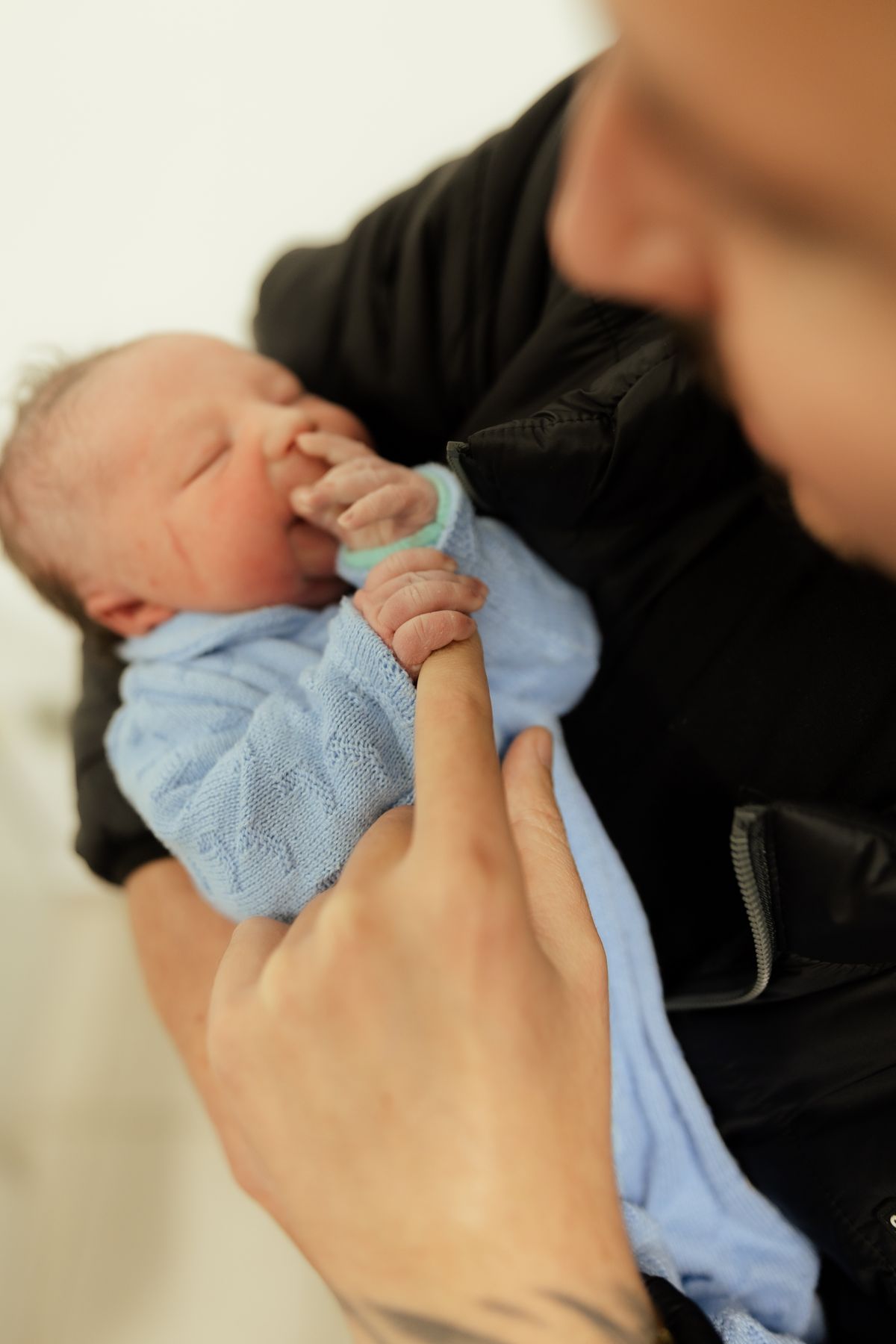
Photo: Pexels · Pexels License. Illustrative photograph of the subject; not a tested result, current condition report or endorsement. Display may crop the original.
Ask what would actually help
Make a list of household tasks before creating a guest calendar. Washing adult dishes, taking rubbish out, walking a pet or collecting groceries may be more valuable than another person waiting to hold the baby. Ask the recovering parent what feels welcome rather than assigning a role on their behalf. Keep a separate list of tasks that require familiarity, such as handling a pet or using an appliance. A helpful offer should reduce the family’s work, including the work of explaining it.
Choose one invitation route
Select a person or shared message thread for arranging visits. Let close contacts know that a message is a request, not confirmation that they can arrive. If one parent handles every update, communication itself can become a burden. Agree who will respond when both are busy and what a short delayed reply means. There is no need to publish the baby’s routine or private medical information to justify a boundary about timing.
Keep visits adjustable
Offer a modest visit window with permission to reschedule. Avoid promising that the baby will be awake or available to be held. Feeding, rest and clinical needs take priority over hosting. Put practical details in the invitation, such as whether guests should bring their own drink or leave a meal at the door. This avoids creating an unintended expectation that the family will clean the whole home and provide refreshments before accepting help.
Discuss illness and hand hygiene clearly
Tell visitors to postpone if they are unwell and ask them to follow the family’s hygiene instructions. For vaccination questions or a baby with specific risks, ask the pediatric team what is appropriate rather than inventing a household medical rule from online debate. Make handwashing easy to find. A visitor who wants reassurance about the baby’s health should ask privately, not inspect the child or offer unsolicited diagnoses during the visit.
Write requests that have an endpoint
A task such as please clean the kitchen is open to interpretation. Please wash these dishes, wipe this work surface and leave the drying items here is clearer. Specify any food allergies or dietary requirements before someone prepares a meal. Agree whether containers need returning. The family should be able to accept a contribution without creating a new obligation to send photographs, host a long conversation or provide immediate detailed feedback.
Give privacy boundaries the same priority
Decide who can share the baby’s name, photographs and birth details. A private family message is not permission for a public post. If a visitor takes photographs, explain the sharing preference before the camera comes out. You can allow an in-person visit while declining social-media content. Keep the message consistent so one parent is not forced to correct a relative publicly after the other assumed the rule was understood.
A hypothetical support rota
Imagine three trusted friends offering help. One brings an agreed meal and leaves it at the door, one walks the dog on two confirmed days and one handles a grocery collection. Nobody has to reserve the entire week. A separate short visit is arranged when the family wants company. This example separates practical support from social visiting; some families combine them comfortably, while others prefer to keep them distinct.
Build a polite exit and a backup
Use a simple closing phrase such as we are going to rest now, thank you for coming. Agree who will say it so the recovering parent does not have to manage every departure. Also identify whom to contact if practical help falls through. If a parent’s distress or exhaustion becomes difficult to manage, encourage appropriate professional support rather than treating a visitor rota as the complete solution. A plan is useful only if it can change with the household’s needs.
Your working checklist
Checkmarks stay in this browser when storage is available. They do not submit information or complete a purchase.
Put it into practice
- Ask the family which forms of help are genuinely welcome.
- Separate practical tasks from visits arranged primarily for company.
- Choose who confirms requests and communicates changes.
- Write clear task instructions, including meal or pet requirements.
- Explain illness, hygiene and privacy expectations before arrival.
- Agree a friendly ending phrase and permission to reschedule.
- Review the rota without treating cancellations as a personal failure.
Before you finish
- Help does not require the family to host, clean or entertain first.
- Visitors know that an agreed plan can change.
- Photo sharing requires the parents’ actual permission.
- Clinical questions are directed to appropriate professionals, not group messages.
Common questions
Is it rude to ask someone to leave food at the door?
No. Make the request clearly and appreciatively. A person can choose whether that form of help works for them; accepting a meal does not require hosting a visit.
Do we need a fixed no-visitor period?
Choose boundaries that fit the family and any clinical advice. This guide does not prescribe a universal number of days before relatives may visit.
What if a helper gives unwanted advice?
Thank them for their concern and redirect the conversation to the agreed task. Medical or feeding questions belong with the family’s care team rather than a debate during a visit.
How can friends support a parent who seems persistently overwhelmed?
Offer practical assistance and encourage them to contact their health-care professional. A household support plan can help with tasks, but it does not replace assessment or treatment when needed.