How to Pack a Baby Outing Bag Without Carrying the Whole Nursery
An outing bag should make an ordinary trip manageable, not promise that every unexpected event can be solved from a backpack. Start with the length of the trip, the baby’s actual care needs and the facilities at the destination. Keep medical and feeding instructions specific to your baby; this article supplies an original packing framework rather than feeding quantities or travel-health advice.
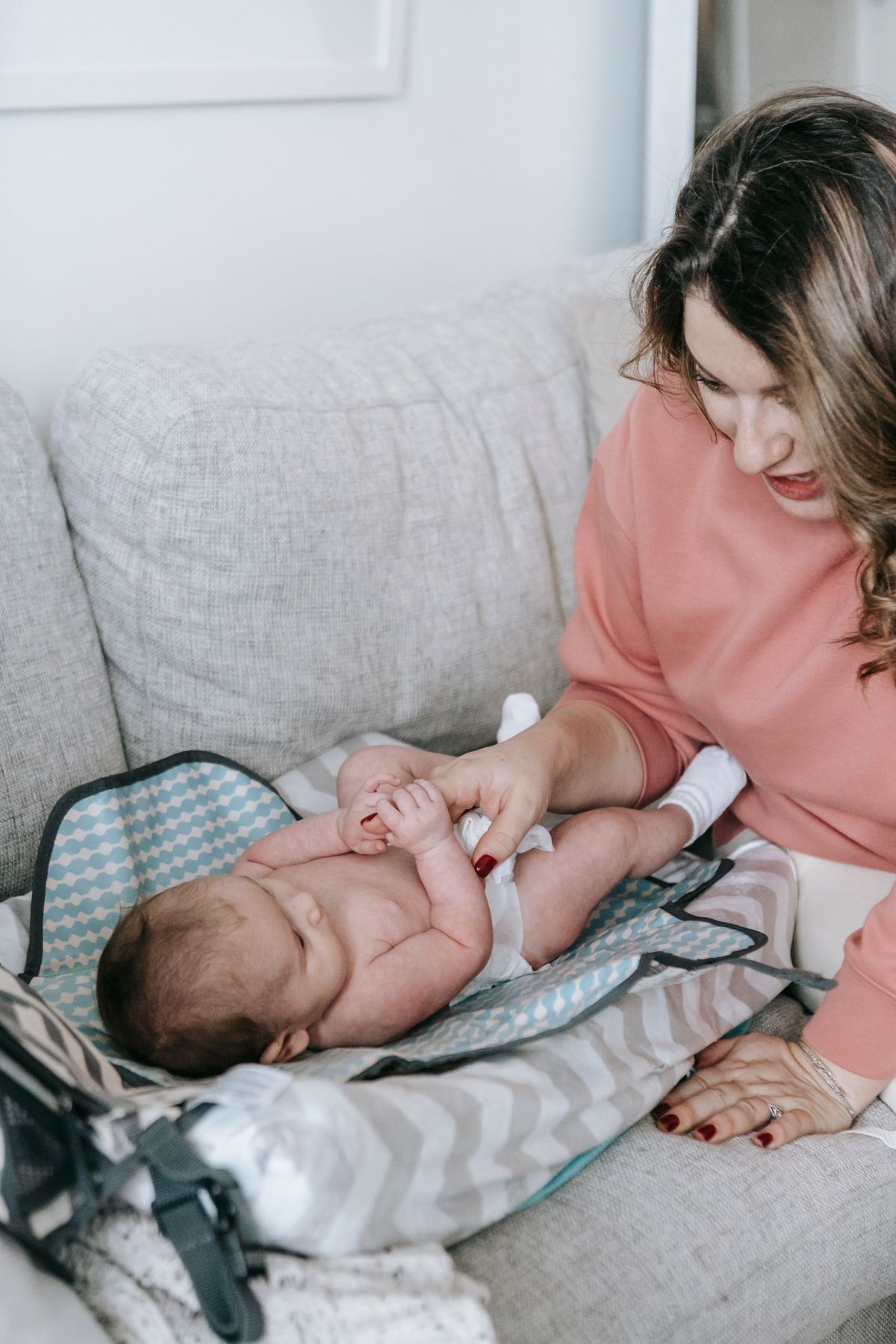
Photo: Pexels · Pexels License. Illustrative photograph of the subject; not a tested result, current condition report or endorsement. Display may crop the original.
Define the outing before filling the bag
Write down where you are going, the expected time away and what can be accessed there. A nearby appointment and a full travel day create different needs. Allow a realistic return plan rather than packing as if the shortest possible journey is guaranteed. Ask the destination about changing facilities when that affects your arrangements. Decide what would make you return early, such as unavailable equipment or a care need you cannot meet appropriately away from home.
Pack by care task
Group the actual diaper-changing supplies together, keep a spare outfit accessible and place parent essentials where they do not contaminate baby items. Packing cubes are optional. A clear small pouch can be enough if a second caregiver can identify it. Avoid transferring creams or cleaning products into anonymous containers. Their labels matter when you need directions or ingredient information, and similar unmarked bottles are an unnecessary source of uncertainty.
Keep feeding arrangements source-led
Follow the current CDC guidance for the milk or formula and equipment you actually use, together with your baby’s clinical plan. Do not invent a storage duration because the bag has an insulated-looking compartment. If refrigeration, safe water or equipment cleaning will be needed, confirm how it will be available. Plan the route around those requirements rather than assuming a café can provide everything. This guide does not recommend amounts or changing the feeding method for convenience.
Separate clean supplies from used items
Include an appropriate destination for soiled clothing and used equipment, keeping those away from clean stock. A sealed laundry pouch is storage for used clothing, not proof that a feeding item is ready to reuse. Keep plastic bags inaccessible to the baby. At home, unpack the used section first so nothing is forgotten until the next outing. A bag that looks tidy from the outside can still contain yesterday’s damp clothing or uncertain-status bottle parts.
Think beyond the bag for sleep and transport
A diaper bag is not a sleep product, and a soft insert does not turn it into one. Plan any expected sleep arrangement and follow the transport product’s actual instructions. Do not hang a heavy bag from stroller handles unless the manufacturer permits that use; use the specified storage arrangement. This guide cannot assess a car-seat installation. Seek the appropriate installation support and instructions rather than improvising straps or accessories to make packing easier.
Make key items accessible to the caregiver
Place the appointment address, phone and necessary paperwork where the responsible adult can reach them safely. A private emergency contact card may be useful; avoid displaying the child’s full sensitive details on an external luggage label. Keep adult medicines and small personal items secure and separate. Consider whether you can open the bag without laying everything on a dirty surface. Accessibility should reduce searching, not put hazardous objects within the baby’s reach.
A hypothetical short appointment bag
Imagine a local visit expected to last a morning. The caregivers check their actual care plan, pack the required feeding arrangement, prepare a small changing kit and add a spare outfit plus a separate used-clothing pouch. One adult carries the records privately. They do not bring an entire drawer of toys or assume that an extra blanket is a suitable sleep arrangement. Before leaving, both can locate the important sections without emptying the bag.
Use a return-home reset
Choose a short unpacking sequence: remove used items, send laundry to its destination, clean equipment as directed and replenish the working stock. Check products for expiry or damage when relevant. Keep a note of one missing useful item rather than adding every object you saw another parent carrying. If a trip repeatedly requires too much, reconsider its length or facilities. Packing more does not solve an unsuitable destination or replace an appropriate care plan.
Your working checklist
Checkmarks stay in this browser when storage is available. They do not submit information or complete a purchase.
Put it into practice
- Confirm the outing’s duration and available care facilities.
- Choose supplies by task rather than copying an oversized generic list.
- Verify milk or formula handling against the relevant current directions.
- Separate clean stock, used items and adult essentials.
- Check sleep and transport arrangements outside the packing list.
- Show the second caregiver where the essential items are.
- Unpack used equipment and replenish the bag immediately after returning.
Before you finish
- The bag never serves as an improvised infant sleep product.
- Feeding storage requirements have been confirmed rather than assumed.
- Small objects, medicines and plastic bags are inaccessible to the baby.
- Used items have a destination before the next trip.
Common questions
How many changes of clothing should I pack?
Base that choice on the outing and your baby’s actual needs. This framework does not prescribe one fixed count for every family or journey.
Does an insulated pocket guarantee safe milk storage?
No. Follow the relevant CDC time and temperature guidance and use suitable equipment. A marketing label or pocket lining does not establish safe handling.
Should I keep everything packed permanently?
Keep durable basics organized, but check feeding items, clean clothing, product condition and anything with a relevant date before each outing. A ready-looking bag can contain stale supplies.
Can I skip checking the destination if the bag is large enough?
No. Access to appropriate care facilities and a suitable return plan matter more than carrying extra objects. Reconsider the outing if essential needs cannot be met.