A Practical Diaper-Changing Station for a Small Home
A small home can have an effective diaper-changing setup without a large dedicated furniture unit. The important questions are whether the equipment is suitable, the caregiver can remain attentive and the used items have a clear destination. This is an organization guide for routine care. Ask a pediatric professional about persistent skin problems or other health concerns.
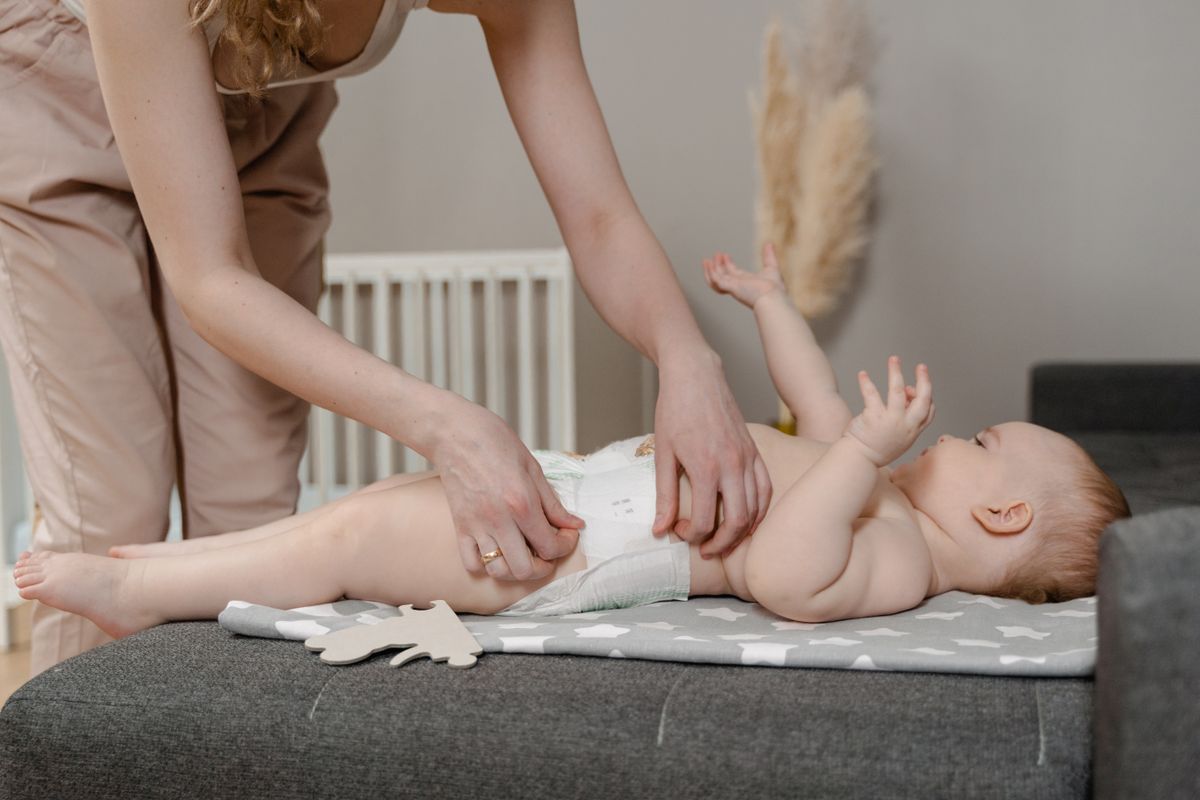
Photo: Pexels · Pexels License. Illustrative photograph of the subject; not a tested result, current condition report or endorsement. Display may crop the original.
Choose the location before the accessories
Look for a stable arrangement that follows the changing product’s instructions and allows the caregiver to remain close. Check the actual working height and the space for your feet. Do not adapt a narrow shelf into a changing table because a mat happens to fit. If using an elevated changing surface, the caregiver stays with the baby throughout. A nearby cupboard is not nearby enough if reaching it means stepping away or turning attention elsewhere.
Pack a working kit rather than the entire stock
Keep a small supply of diapers, suitable wipes or cleaning materials, a spare outfit and the products your baby actually uses. Refill stock can live elsewhere. Avoid crowding the working area with several brands that have not been needed. Keep medicines and adult toiletries separate. The right quantity is the amount that supports your household between restocking checks, not a universal number copied from a nursery photograph.
Keep clean and used items distinct
Use clear destinations for clean cloths, soiled laundry and waste. Prevent a used cloth from being placed back on top of clean supplies because the container is inconvenient. Follow local waste arrangements and keep bags inaccessible to children. If multiple adults use the station, agree on the same labels. Color-coded baskets are optional; readable words and an obvious route to disposal are more useful when a grandparent or babysitter takes over.
Prepare before bringing the baby over
Check that the necessary items are present before starting the change. Open packaging as needed without placing loose wrappers within reach. If something is missing halfway through, take the baby with you to retrieve it. AAP diaper-changing advice emphasizes the need to avoid leaving a baby unattended on an elevated surface. Restraints and raised sides do not make an adult’s departure harmless. Planning supplies should make continuous supervision easier, not encourage greater reliance on equipment.
Use products according to their actual directions
Do not build a routine around applying every cream in a gift basket. Keep the original labels and use only products appropriate for the baby and the intended purpose. Avoid borrowing a treatment from another child because the packaging looks similar. If there is persistent irritation, broken skin, worsening redness or another concern, ask the pediatric team. This storage guide cannot determine whether a particular rash needs treatment or which product is suitable.
Make handwashing part of the route
Locate the handwashing point and keep the path unobstructed. Consider what happens immediately after the change, not just where the new diaper is stored. Household hygiene works better when it is practical rather than dependent on a note reminding everyone to be careful. Follow current CDC and product cleaning guidance for the items you use. Keep cleaning chemicals out of children’s reach and do not decant them into unlabeled decorative bottles near baby supplies.
A hypothetical portable setup
Imagine a family that stores a compact changing kit on a high adult-access shelf and brings it to an appropriate setup when needed. The kit contains only the working supply. A separate laundry container and waste destination remain consistent. At the end of the day, an adult checks the kit and replaces used clothing. The portable basket is storage, not a product for holding a baby, and it never sits inside the baby’s sleep space.
Review the setup as the baby changes
A station that worked for a newborn may become awkward when the child moves differently or outgrows a product limit. Read the instructions again rather than waiting for a near miss to change the arrangement. Look for objects the baby can now reach, including drawer handles and supply packets. Simplify the station when clutter accumulates. Record one practical adjustment for the next caregiver so the improved setup becomes a shared habit rather than one person’s private method.
Your working checklist
Checkmarks stay in this browser when storage is available. They do not submit information or complete a purchase.
Put it into practice
- Choose a suitable location and read the equipment instructions.
- Practice reaching supplies without stepping away from the working area.
- Put a small working supply in a labeled kit.
- Keep waste, used laundry and clean stock clearly separate.
- Check the kit before each change and keep supervision continuous.
- Follow a practical handwashing and cleaning route afterward.
- Recheck placement and product limits as the baby grows or moves differently.
Before you finish
- No supply requires leaving a baby alone on an elevated surface.
- Loose wrappers, bags and chemicals are inaccessible to children.
- Only appropriate clearly labeled products remain in the kit.
- Each caregiver knows when and how the working stock is replenished.
Common questions
Does a changing table strap replace supervision?
No. Remain with the baby. If you need an item elsewhere, take the baby with you instead of relying on a restraint or a raised edge.
How many diapers should the kit contain?
Use the family’s actual restocking pattern and available storage. Keep enough working stock to avoid searching during care, while storing the bulk supply separately.
Should I use every baby-skin product we received?
No. Organize around actual needs and appropriate directions. Ask a pediatric professional about a persistent problem rather than experimenting with several unfamiliar products.
Can the changing basket stay in the crib?
Keep supply storage outside the infant sleep space. A separate accessible shelf makes it easier to preserve a clear, consistent sleep setup.