How to Choose Sibling Names Without Making a Matching Set
Sibling names can share a connection without being designed as a permanent matching set. The next child’s name deserves an individual decision as well as a household sound check. This guide offers a practical comparison process; it does not claim that matching initials, styles or meanings affect sibling closeness, personality or future relationships.
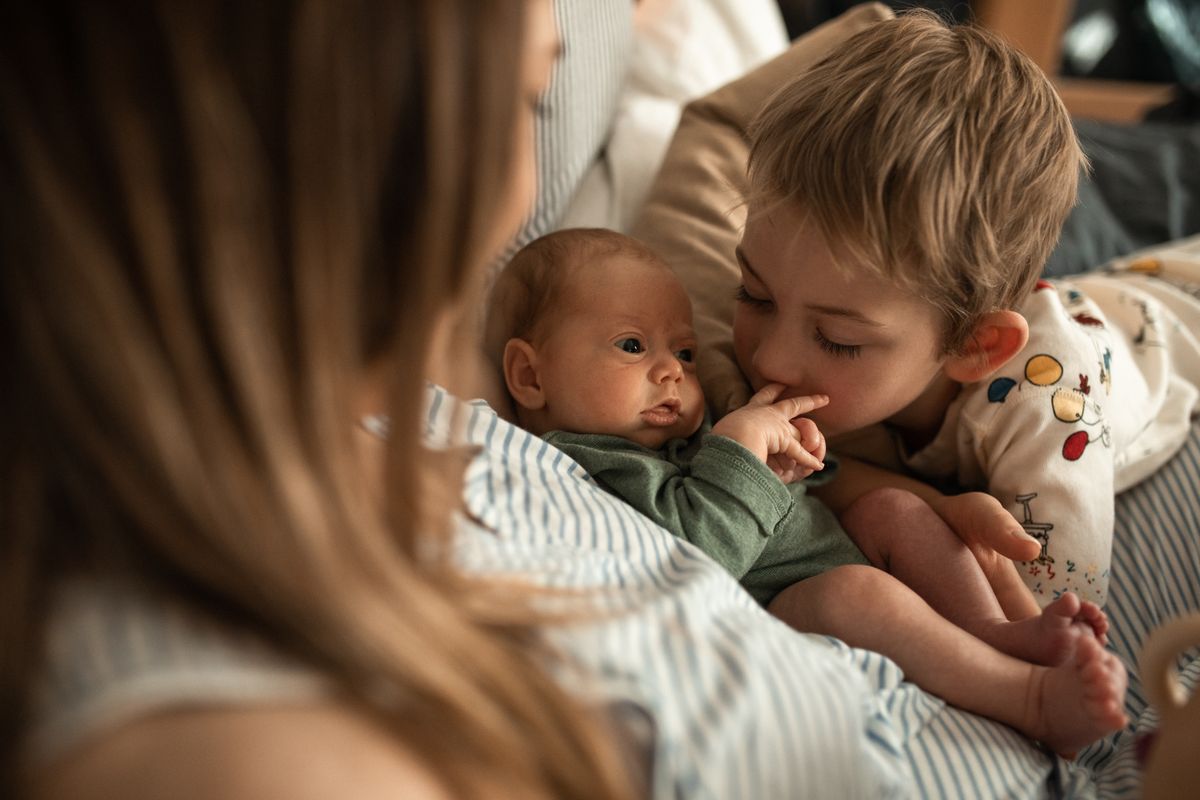
Photo: Pexels · Pexels License. Illustrative photograph of the subject; not a tested result, current condition report or endorsement. Display may crop the original.
Describe the connection you actually want
Ask whether you like a shared language, family tradition, similar level of formality or simply names that you enjoy saying together. Those are different preferences. Do not assume the first child’s name obliges you to repeat a theme forever. If the earlier choice was made under different circumstances, acknowledge that. A coherent family story can include change without treating the second child’s name as an error that must be corrected by similarity.
Evaluate each name on its own
Write the candidate’s complete form without the sibling’s name beside it. Say it in an introduction and consider the ordinary short forms. If it only appeals as part of a pair, ask whether you would still choose it for this child independently. Children will have separate friends, records and adult lives. A themed announcement is a brief moment, while the name’s use extends beyond the photograph of siblings together.
Check household clarity
Read the names at a normal conversational pace and consider whether they are so similar that an ordinary call across the room becomes confusing. This is a practical listening exercise, not a ban on related sounds. Families differ in what feels manageable. Also check initials if shared household labels or documents are likely to be ambiguous. A clear distinction may be useful without requiring completely different styles or lengths.
Avoid assigning family roles through names
Do not describe one name as the strong one and another as the delicate one, or choose a counterpart to balance a child’s supposed personality. A name cannot guarantee temperament or a place in the family. Be cautious about presenting children as the pair that completes a clever phrase. The parents can enjoy a subtle link while leaving each child room to be understood as an individual rather than a permanent companion character.
Discuss whether a theme still serves you
A botanical, literary or initial-based theme may have begun naturally and now feel restrictive. Write the remaining options both inside and outside the theme. Compare your actual enthusiasm rather than defending consistency for its own sake. If the best choice happens to fit, that is fine. If not, a middle element or family story can carry a connection without forcing the first name into an increasingly narrow category.
Use historic data for the right purpose
If you want names that were used in a similar period, official decade lists can provide context. They do not establish that two names have equal cultural meaning or belong together. Avoid presenting a decade-table appearance as a claim about a name’s origin. Record which period you checked. A family can prefer a familiar option and a less familiar option without needing to prove their ranks are balanced.
A hypothetical theme decision
Imagine a family whose first child has a nature-associated name. They consider another nature word but repeatedly prefer an unrelated candidate when saying it alone. They decide the shared connection will be a family middle element rather than matching first-name imagery. This example does not argue against themes. It shows how the parents can preserve a connection while choosing a name they like for the new child in their own right.
Keep announcements individual
When sharing the choice, introduce the new child’s name directly rather than explaining it only through the older sibling. Avoid inviting comparisons about which name is prettier, more modern or more successful. If relatives ask why a theme changed, a brief answer that the parents loved this name is sufficient. The family does not owe a statistical or linguistic defense of every difference between siblings’ names.
Your working checklist
Checkmarks stay in this browser when storage is available. They do not submit information or complete a purchase.
Put it into practice
- Describe the desired connection without turning it into an obligation.
- Evaluate each candidate independently as a complete name.
- Say household names together to notice practical confusion.
- Check initials only where they matter to everyday use.
- Compare theme-based and non-theme options honestly.
- Research historical claims without treating them as naming rules.
- Introduce the final choice as the new child’s own name.
Before you finish
- The candidate appeals independently of an announcement theme.
- No personality role is assigned to a child through the name.
- Shared sounds and initials have been considered without rigid rules.
- The parents can explain the choice without ranking the children.
Common questions
Do sibling names have to share a style?
Only if the parents genuinely value that connection. A matching style is a preference, not evidence that children will be closer or that the family is more coherent.
Is repeating an initial a problem?
It can be perfectly acceptable. Think about the practical contexts in which initials are used and whether ambiguity matters to your household. There is no universal prohibition.
Can we stop a naming theme?
Yes. Compare candidates honestly and decide whether the theme still serves the family. A connection can be carried through a story or middle element if that feels right.
Should the older child decide?
You may invite age-appropriate suggestions, but avoid making a child responsible for the final decision or a parent’s disappointment. Keep the adults’ role clear.